[Complete Guide for Beginners & Pros Alike]
Whether you’re a digital marketing newbie or a seasoned pro, the right tools can turn your strategy from guesswork to growth engine. This guide gives you the Top 10 tools dominating 2025—free, paid, or both.

📌 Why Tools Matter in Digital Marketing
Digital marketing is fast, data-driven, and highly competitive. If you’re relying only on manual efforts in 2025, you’re playing the game on hard mode.
Digital tools:
- Save you hours of manual work
- Deliver real-time data
- Automate your campaigns
- Show you exactly what’s working (and what’s not)
Let’s break down the top 10 tools that can supercharge your marketing strategy this year.
🛠️ 1. Google Analytics 4 (Free)
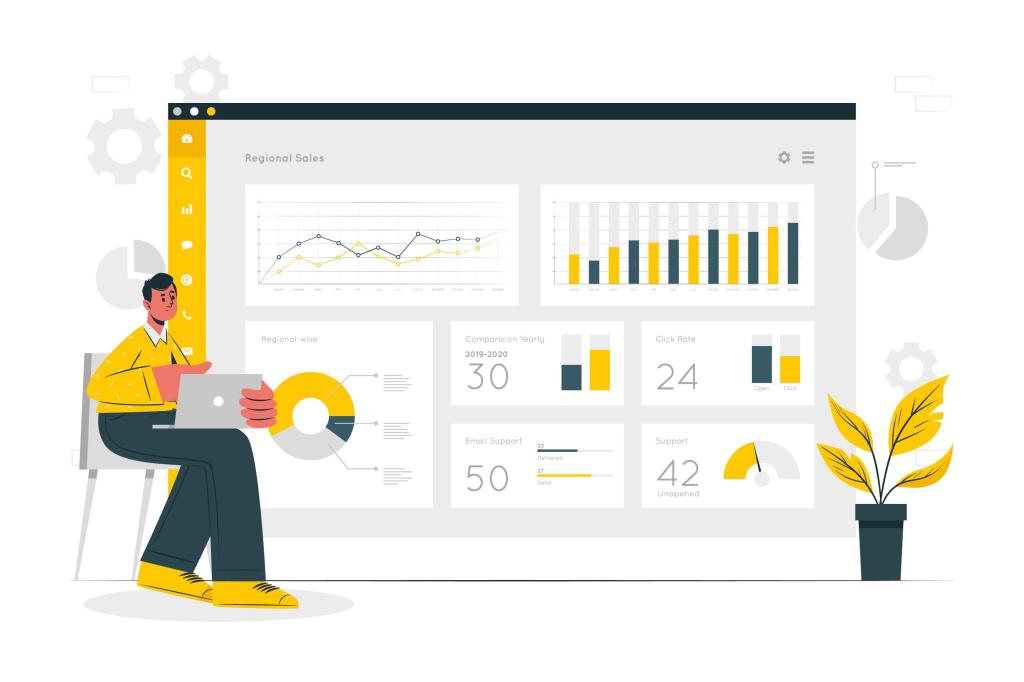
Use it for: Website traffic tracking, user behavior, conversion tracking
Why it’s a must:
GA4 is now the standard for understanding how people interact with your site or app. It gives detailed insights about:
- Traffic sources
- Time spent on pages
- Bounce rate
- Conversion paths
🔍 Use Case Example:
Launching a new landing page? Use GA4 to track how many users reach it, where they drop off, and which devices they’re using.
🛠️ 2. SEMRush (Paid + Free Trial)
Use it for: SEO, competitor analysis, keyword research
Why it’s powerful:
This is your Swiss army knife for digital marketing. It helps you:
- Analyze competitors’ rankings
- Audit your SEO health
- Track keyword movements
- Spy on backlinks
💼 Pro Tip: Use SEMrush to find your competitors’ best-performing content and outrank them with smarter optimization.
🛠️ 3. Canva (Free + Paid Pro Plan)
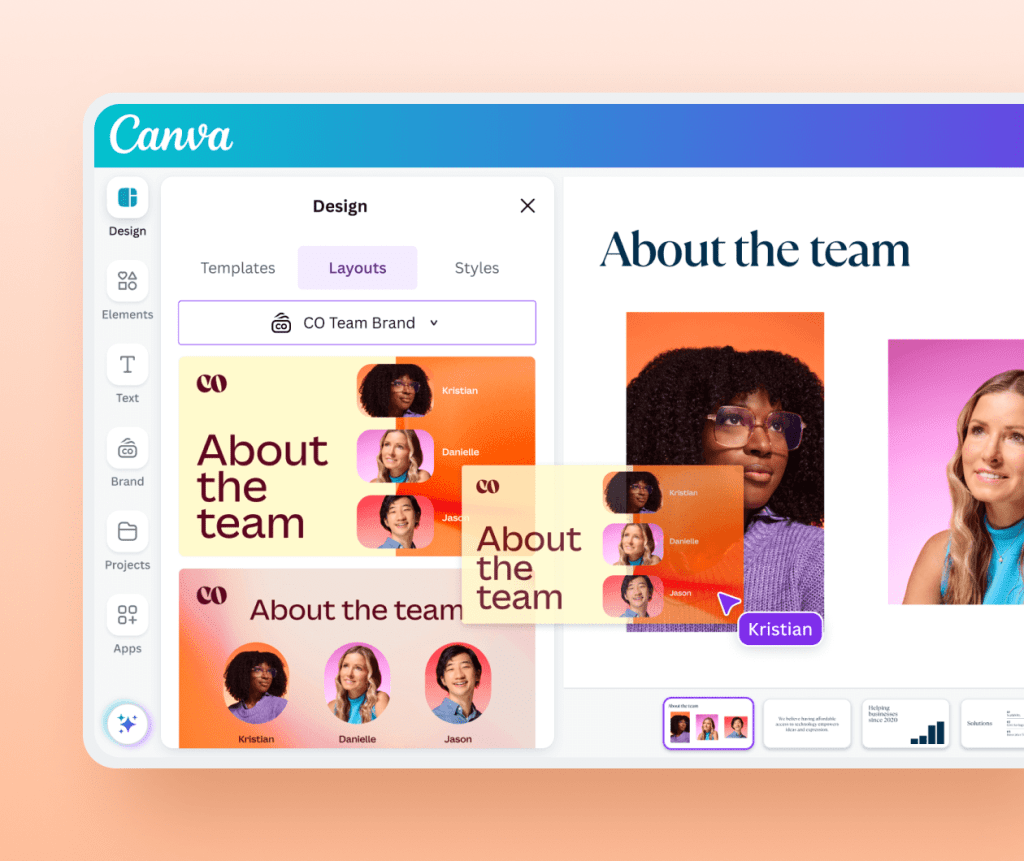
Use it for: Social media posts, infographics, ads, lead magnets
Why it stands out:
Canva has become the top tool for marketers who want professional-level graphics without hiring a designer. Drag, drop, done.
🎯 Quick Hack: Use Canva’s “Content Planner” to pre-schedule your social media creatives directly from the platform.
🛠️ 4. Mailchimp (Free up to 500 contacts)

Use it for: Email marketing, automation, landing pages
Why it’s valuable:
Email is STILL the highest-ROI marketing channel. Mailchimp lets you:
- Send bulk emails
- Segment audiences
- Automate welcome series
- Build email templates easily
💌 Real-Life Scenario: Use Mailchimp to welcome new subscribers and automatically send them a lead magnet and 3-day nurture sequence.
🛠️ 5. Ahrefs (Paid Only)
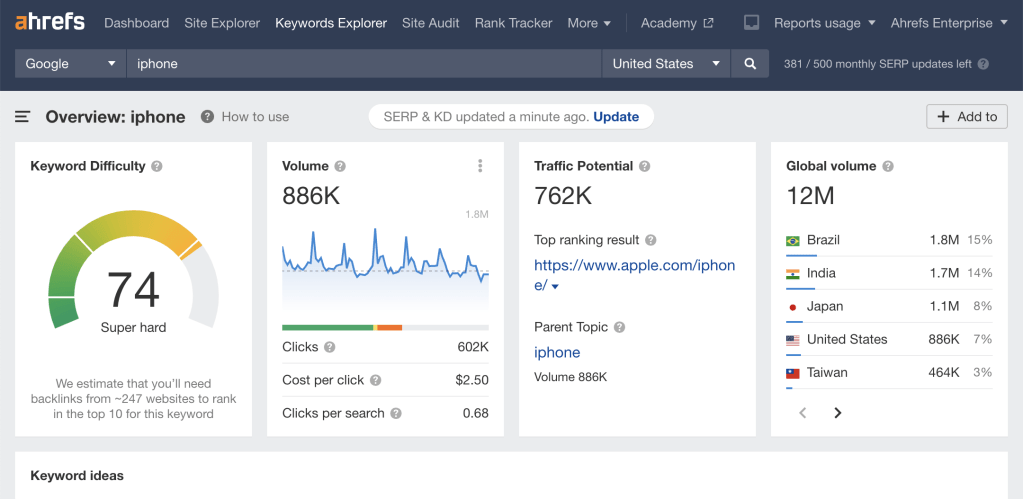
Use it for: In-depth backlink analysis, keyword research, competitor audits
Why it’s elite:
If you’re serious about organic traffic, Ahrefs is non-negotiable. It uncovers:
- Link building opportunities
- Low-competition keywords
- Site audit issues
🌐 Pro Tip: Use the “Content Gap” tool to see which keywords your competitors rank for—but you don’t.
🛠️ 6. Meta Business Suite (Free)
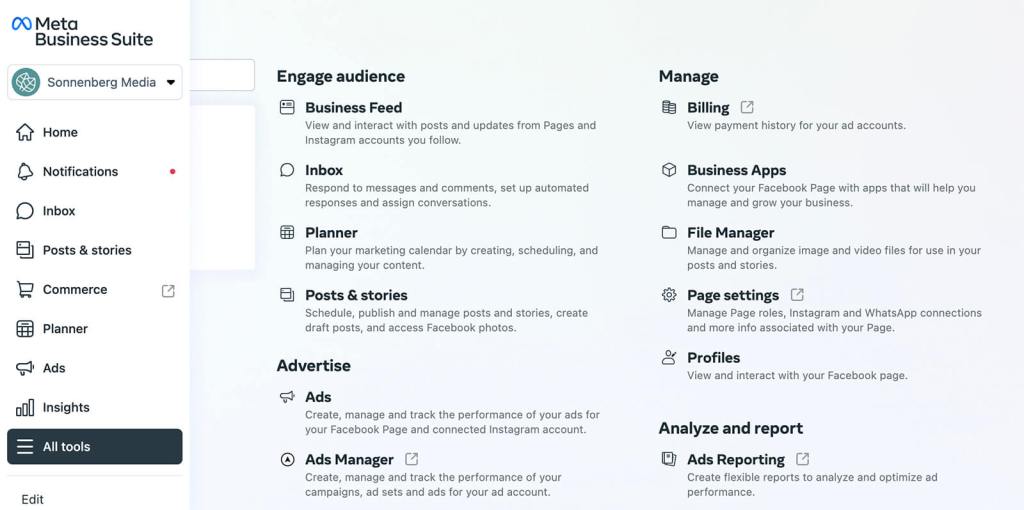
Use it for: Facebook and Instagram post scheduling, ad creation, insights
Why it’s a winner:
Meta owns 2 of the biggest social platforms, and this tool gives you:
- Real-time ad metrics
- Scheduling for both FB & IG
- Creative performance breakdown
📲 Use Case: Run a lead-gen ad on both platforms simultaneously and track performance from one dashboard.
🛠️ 7. HubSpot CRM (Free + Paid Plans)
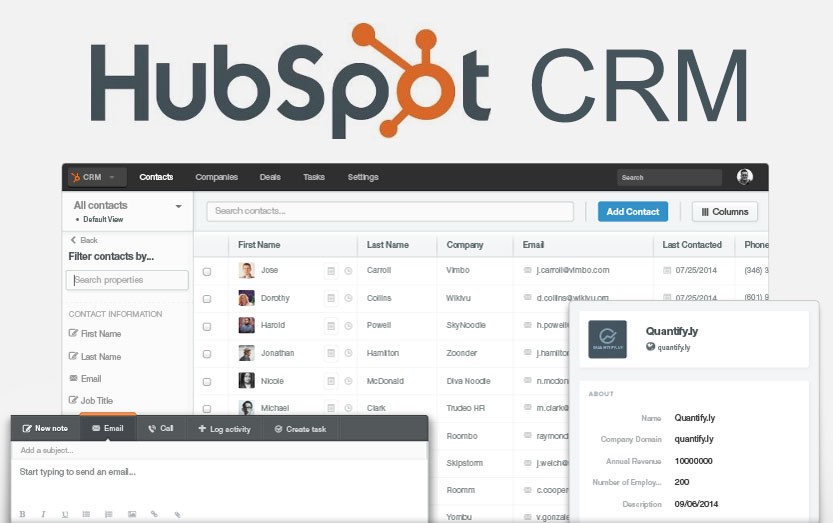
Use it for: Managing customer relationships, sales funnels, automation
Why it’s strategic:
This all-in-one platform helps you manage leads, track customer journeys, and automate follow-ups—all from a clean dashboard.
🎯 Insider Tip: Integrate HubSpot with your forms to auto-capture leads and assign them to the right funnel stage.
🛠️ 8. ChatGPT (Free + Plus Plan)
Use it for: Content creation, copywriting, ideation, automation
Why it’s a game-changer:
AI tools like ChatGPT are now essential. Whether you’re writing blog posts, ad copy, or email sequences, this tool speeds up your workflow and improves your content quality.
🧠 Pro Hack: Ask ChatGPT to create A/B variants of your ad headlines or product descriptions in seconds.
🛠️ 9. Trello / Notion (Free + Paid)
Use it for: Content calendar, project management, team collaboration
Why it helps:
Organizing your content strategy and workflow is half the battle. Trello and Notion let you plan posts, assign tasks, and track progress visually.
📆 Pro Tip: Create a weekly content board with due dates and distribution channels listed.
🛠️ 10. Google Keyword Planner (Free)
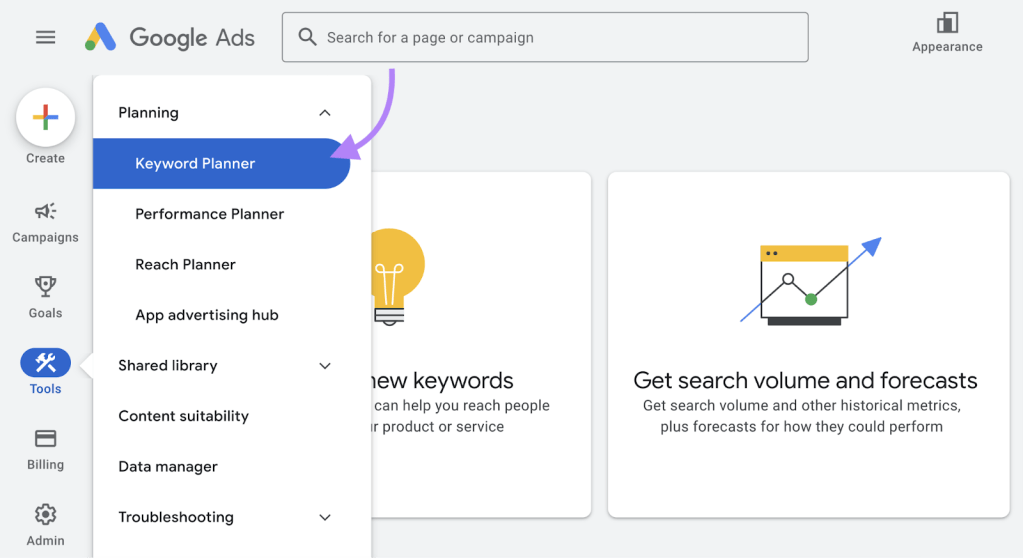
Use it for: Finding keywords, estimating search volume, planning PPC campaigns
Why it’s solid:
Still one of the best free tools for basic keyword research and understanding user intent.
🔑 Quick Use Case: Before writing a blog, use Keyword Planner to discover relevant long-tail keywords and trending queries in your niche.
🚀 How to Choose the Right Tool for You?
Ask these 3 questions:
- What’s your primary goal? (SEO? Social? Email? Funnels?)
- Are you just starting or scaling?
- Do you prefer automation or manual control?
💡 Beginner Bundle (Free Tools to Start With):
- Google Analytics
- Canva
- Google Keyword Planner
- Meta Business Suite
- Trello
💼 Scaling Bundle (Paid Tools to Grow Fast):
- SEMrush or Ahrefs
- Mailchimp Pro or HubSpot
- ChatGPT Plus
- Canva Pro
🔥 Final Thoughts: Your Toolkit = Your Superpower
In 2025, marketing without tools is like driving blind. The right digital marketing stack empowers you to create faster, smarter, and more profitably.
Want to stay ahead? Start with a few, master them, and upgrade as you grow.




 Visibility Ops
Leave a comment